It all starts with water, but providing water is not the end of the story. It is a springboard to other sustainable changes for rural communities. Before Water Zambia drills a borehole in a village, the community is given training on good sanitation & hygiene practices. The promise of clean water coming is a great incentive for modifying WASH behaviors to more safe practices.
We start by giving a two-day course on how germs are spread and how the community can more effectively ward off preventable diseases. The village is given instructions on constructing WASH facilities. These facilities include a latrine, hand-washing stations at the latrine and kitchen, dish-drying racks, and rubbish pits. They are given time to build the necessary facilities before a follow-up training session is held to reinforce the education.
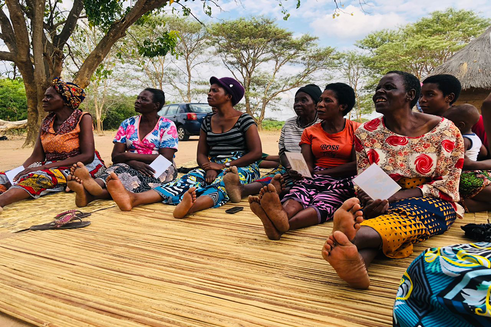
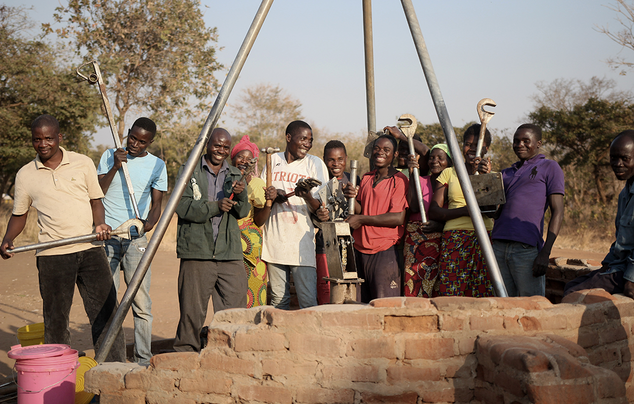
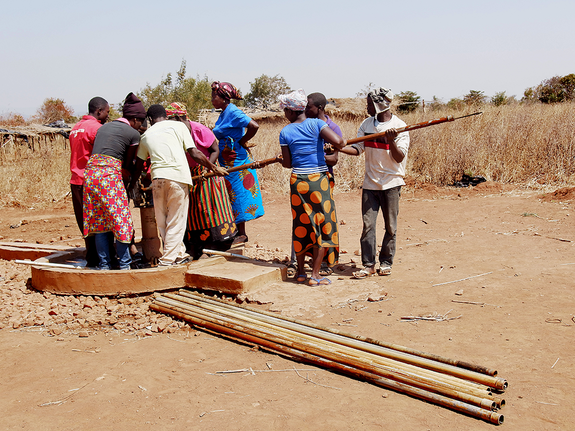
Two members of the village are trained to be our Community Wash Advocates to periodically remind the people in that village how to continue the good practices they have learned. In addition to training the two CWAs, two people are trained as pump minders to repair the borehole and hand-pump when it breaks. All hand-pumps break, and a key part of making the program sustainable is to empower and supply the pump minders with the skills and tools necessary to keep the clean water flowing. A WASH committee is established to collect money for repairs and to sustain the water point by managing the pump minders to swiftly bring the borehole back into proper operation.
Improved access to clean and safe water supply, adequate sanitation, and good hygiene practices, have the potential to significantly contribute to socioeconomic development, wealth creation and enhanced human development. Inadequate access to clean and safe water supply and sanitation services coupled with poor hygiene practices adversely impacts human health and economic development and therefore, remains a major concern. A large proportion of schools in Zambia do not have sufficient access to clean and safe water supply and sanitation facilities. This has led to high drop outs from schools especially among girls. The World Bank has estimated that Zambia loses up to 1.3 % of GDP to lack of clean water and inadequate sanitation. That’s about $194 million annually. Water and WASH aren’t just health issues. With safe water and good WASH practices, poverty is reduced. That can start a domino effect of positive changes in rural Zambia.
The Sustainable Development Goals have the overarching objective of “eradicating poverty by 2030”. The SDG targets addressed by WASH and safe water access are:
- Target 6.1: achieve universal and equitable access to safe and affordable drinking water for all
- Target 6.2: achieve access to adequate and equitable sanitation and hygiene for all, and end open defecation, paying special attention to the needs of women and girls and those in vulnerable situations
- Target 6.3: improve water quality by reducing pollution, eliminating dumping and minimizing release of hazardous chemicals and materials into the environment, halving the proportion of untreated wastewater and substantially increasing water recycling and safe reuse globally
- Target 6.a: expand international cooperation and capacity-building support to developing countries in water and sanitation related activities and programmes, including water harvesting, desalination, water efficiency, wastewater treatment, recycling and reuse technologies
- Target 6.b: support and strengthen the participation of local communities in improving water and sanitation management
- Target 11.5: significantly reduce the number of deaths and illnesses caused by poor water and sanitation, and substantially decrease the economic losses caused by disasters, including water-related disasters, with a focus on protecting the poor and people in vulnerable situations.